
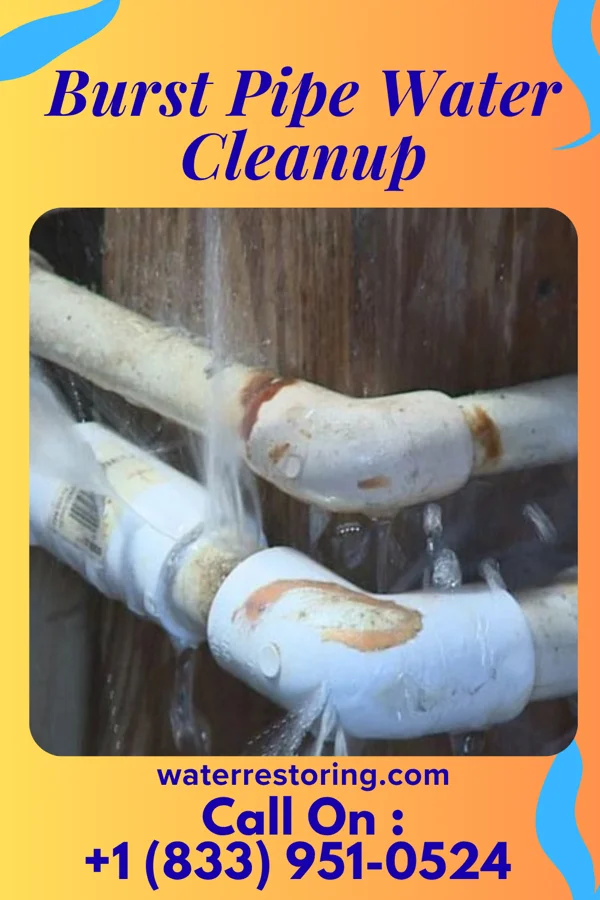
Why Burst Pipes Hit Fleetwood Hard
The pattern in Fleetwood is consistent. Fleetwood's older infrastructure, including aging water lines in rural areas like Walnuttown and Dryville, increases the risk of burst pipes during colder months. The proximity to Blandon and the surrounding agricultural land means that some homes may have less modernized plumbing systems, which can be more prone to failure in freezing conditions. drives most of the emergency restoration calls we get. A close second is The town's rural layout and lower population density mean that emergency response times can be longer, increasing the risk of water damage from burst pipes. Additionally, homes in areas like Walnuttown and Dryville often have older, less maintained plumbing systems that are more susceptible to failure..
Fleetwood's climate, characterized by cold winters and occasional extreme weather, plays a significant role in pipe burst risks. The town's rural areas, such as Walnuttown and Dryville, are particularly vulnerable due to older infrastructure and less frequent maintenance.
Fleetwood's climate, characterized by cold winters and occasional extreme weather, plays a significant role in pipe burst risks. The town's rural areas, such as Walnuttown and Dryville, are particularly vulnerable due to older infrastructure and less frequent maintenance. The dominant local driver is Fleetwood's older infrastructure, including aging water lines in rural areas like Walnuttown and Dryville, increases the risk of burst pipes during colder months. The proximity to Blandon and the surrounding agricultural land means that some homes may have less modernized plumbing systems, which can be more prone to failure in freezing conditions., with The town's rural layout and lower population density mean that emergency response times can be longer, increasing the risk of water damage from burst pipes. Additionally, homes in areas like Walnuttown and Dryville often have older, less maintained plumbing systems that are more susceptible to failure. showing up as the next most common cause. Damage builds in stages. Spread. Absorption. Microbial growth. Structural compromise. Every stage you pass through adds to the final bill.